Gayle Hallin

Minnetonka, MN

2020 Booth

 http://gaylehallin.com

The nuno-felting process is used with fibers of fine mesh silk fabric and roving of merino wool and silk to create scarves in varied designs, colors and sizes with a sculpted-stained glass effect. Felted strips of wool and silk are hand stitched into buttons and flowers & attached to binders as an optional functional embellishment

Hallin.jpg

Robin Meyer

Minneapolis, MN

2020 Booth

http://www.robinannmeyer.com

© Robin Meyer

© Robin Meyer

I hand paint my motifs most often using watercolor or india ink, although I have been known to experiment - whatever provides the desired result! From there I scan them into digital format. This is where I clean and engineer the artwork to my desire specifications. Once I am satisfied, I print onto fabric and create colorfast textile products both to be worn and decorate the home.

Ann Solyst

Minneapolis, MN

www.annsoylst.com

© Ann Solyst

2023 Booth #1

The imaginary animals Ann draws look quite natural. Her sensitive style and subdued palette suggest wildlife illustration, not fantasy drawing, and it takes a second look to notice the fantastic hidden among the regular. Inspired by bizarre descriptions of animals in medieval Bestiaries, Ann’s playful animal combinations are sometimes puns, such as the Sealion, sometimes ironic, as in the case of the Sloth-chita, and sometimes simply evocative, like the Ta-rat-ula. Her process begins with a charcoal sketch on toned paper to work out the basic structure of her drawing, after which she blocks in general areas of color in pastel. When she is satisfied with general shape and form, Ann continues to layer pastels, meticulously blending colors and adding details until she reaches the desired balance of whimsy and realism. Through these delicate and beautifully odd animals Ann celebrates the abnormal, the unusual, and the uncategorizable.


Barbara Hamberg

Desert Snow Designs

Albert Lea, MN

www.desertsnowdesigns.com

2019 Booth #59

Color is what truly enlivens me and I use it gleefully in my art. I coil, bend, twist, flatten and form wire, which once began simply straight, along with hammering and texturing sterling silver. I also use semiprecious and precious stones, copper, anodized aluminum, crystal, and lampwork glass.


© Barbara Hamberg

© Barbara Hamberg

Mary Jo Stockman

Hat Trix

Hampton, MN

www.fabuloushat.com

2017 booth #.

As milliners, we have the privilege of working with a wide palette of luxurious materials. Fabrics like silk, lace and velvet are used to cover the forms created from buckram, wire and a variety of straws. The fascinators and small to medium hats are blocked in our studio over wooden blocks just as they were 500 years ago. The larger hats are blocked to our specifications by 2 milliners in the UK. They are then sent to our studio where the design is completed by hand. The flowers that we do not make we source around the world. We particularly like the handmade silk roses from France. We also use ribbons, beads and crystals to add to our work. The final touch is feathers and quills. We source our feathers as close to home as possible and the feathers that are not used in their natural colors, we hand dye.


©Mary Jo Stockman

©Mary Jo Stockman

Carter Cripe

Fired Up Studios

Shakopee, MN

http://carterraycripeart.weebly.com/

2017 booth # 13

My pottery is wheel thrown with techniques I've learned through my profession of production pottery.

My work consists of a White Clay Body called "B-Clay" along with multiple glazes, slips and stains to create multiple surface textures and visual aesthetics that create beautiful compositions in my functional pottery.

One of these is my use of Red Iron Stain on my pots. Applying this along side with the glazes creates great visual contrast and multiple textures. Not only does it look different, but it FEELS different too.

©Carter Cripe

©Carter Cripe

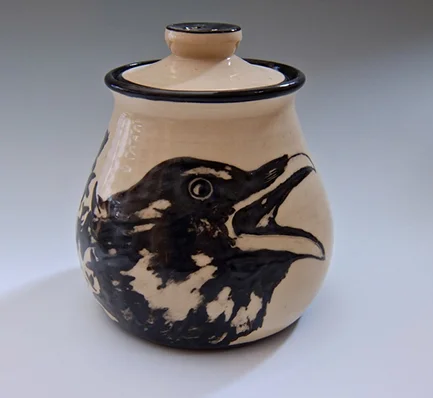
Another example is my use of Black Slip that I use over my White Clay Body. I apply thick amounts of the Black Slip and wipe away with a sponge to create beautiful portraits of crows. Another technique I use for my pots is applying the Slip while the pot is still on the Wheel, which helps me create clean uniform patterns.

All of my work is Electric fired to either Cone 6 or Cone 10 Oxidation.


Lisa and Jim Rudolph

Near and Far Photography

Richfield, MN

http://www.nearandfarphotography.com

2019 booth #67A 

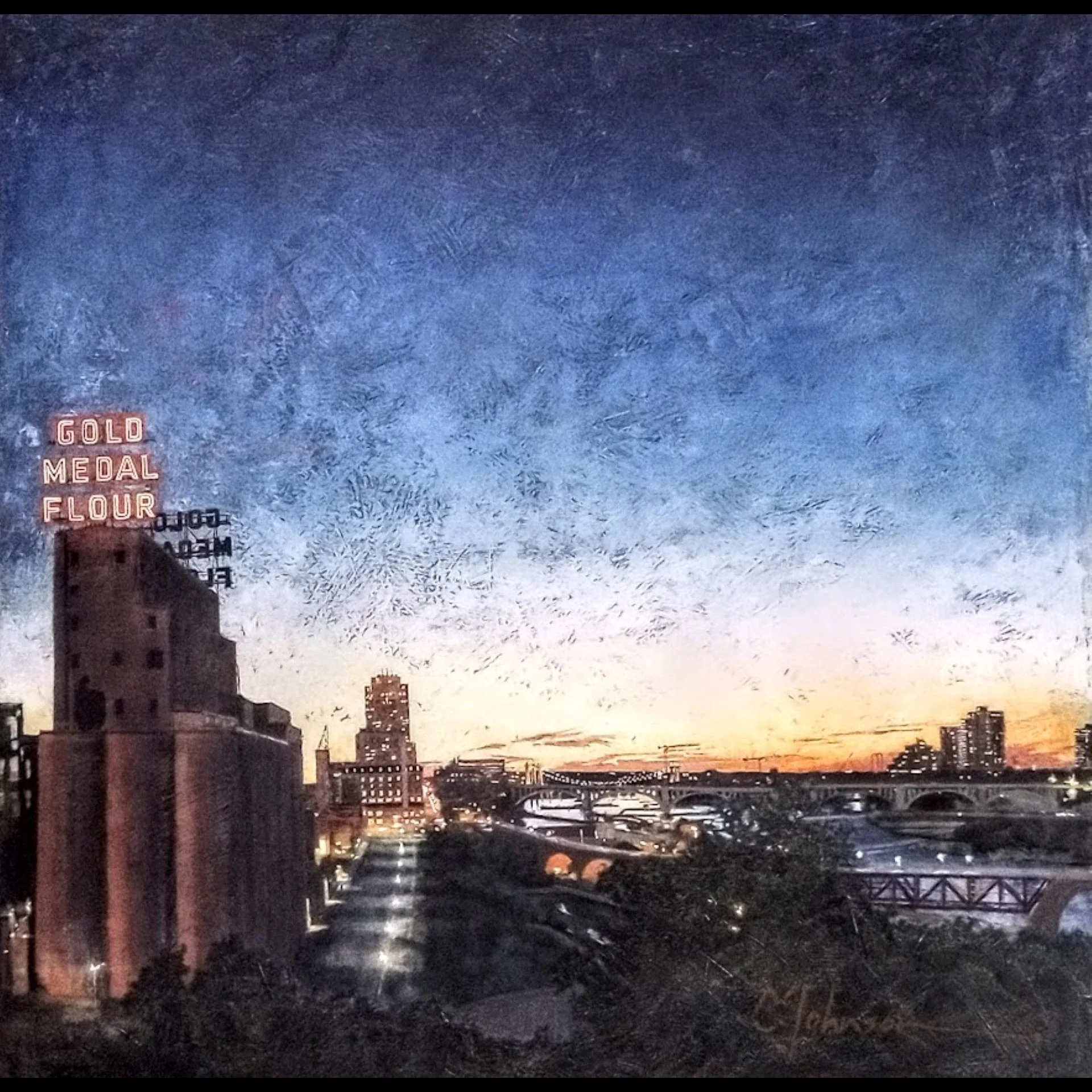
Digital photos on canvas in sizes up to 4x9 feet capturing Twin Cities magic and nostalgia.  
We complete every step of the process ourselves, from image capture, to inkjet print production, final matting, mounting, and framing – all with archival acid free components. Most photos are printed on canvas, some on metal or acrylic, hand sealed with a uv protectant and waterproof preservative then hand stretched. We always use the utmost care, professional equipment, and attention to detail. We want our audience to enjoy viewing our finished product as much as we enjoy producing it.


© Jim & Lisa Rudolph

© Jim & Lisa Rudolph

Nikki Caulfield

Skirting the Rules

Detroit Lakes, MN

www.skirtsrule.com

2017 booth # 58

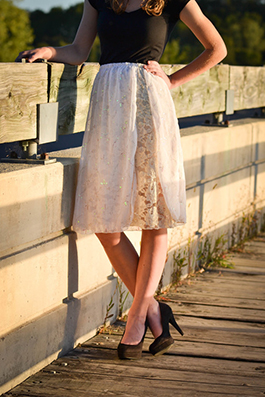
We believe fashion is for everyone: all body types, all ages, and should make the wearer feel good, beautiful, and worthy. As “pret-a-porter” fashion for the everyday consumer is becoming a disposable commodity by being cheaply and poorly mass produced in conditions that exploit the workers, we challenge this by creating high quality clothing that is unique, affordable, and ethically made in Minnesota. The goal of my skirts is to utilize various cuts, fabrics, and an array of sizes in order to make skirts and dresses that match the uniqueness, quality, and beauty of the person wearing them. They balance comfort with style, and practicality with desirability.


© Nikki Caulfield

© Nikki Caulfield

Chad Balster

Chad Balster Glass

Louisville, KY

www.chadbalsterglass.com

2023 Booth #101

© Chad Balster

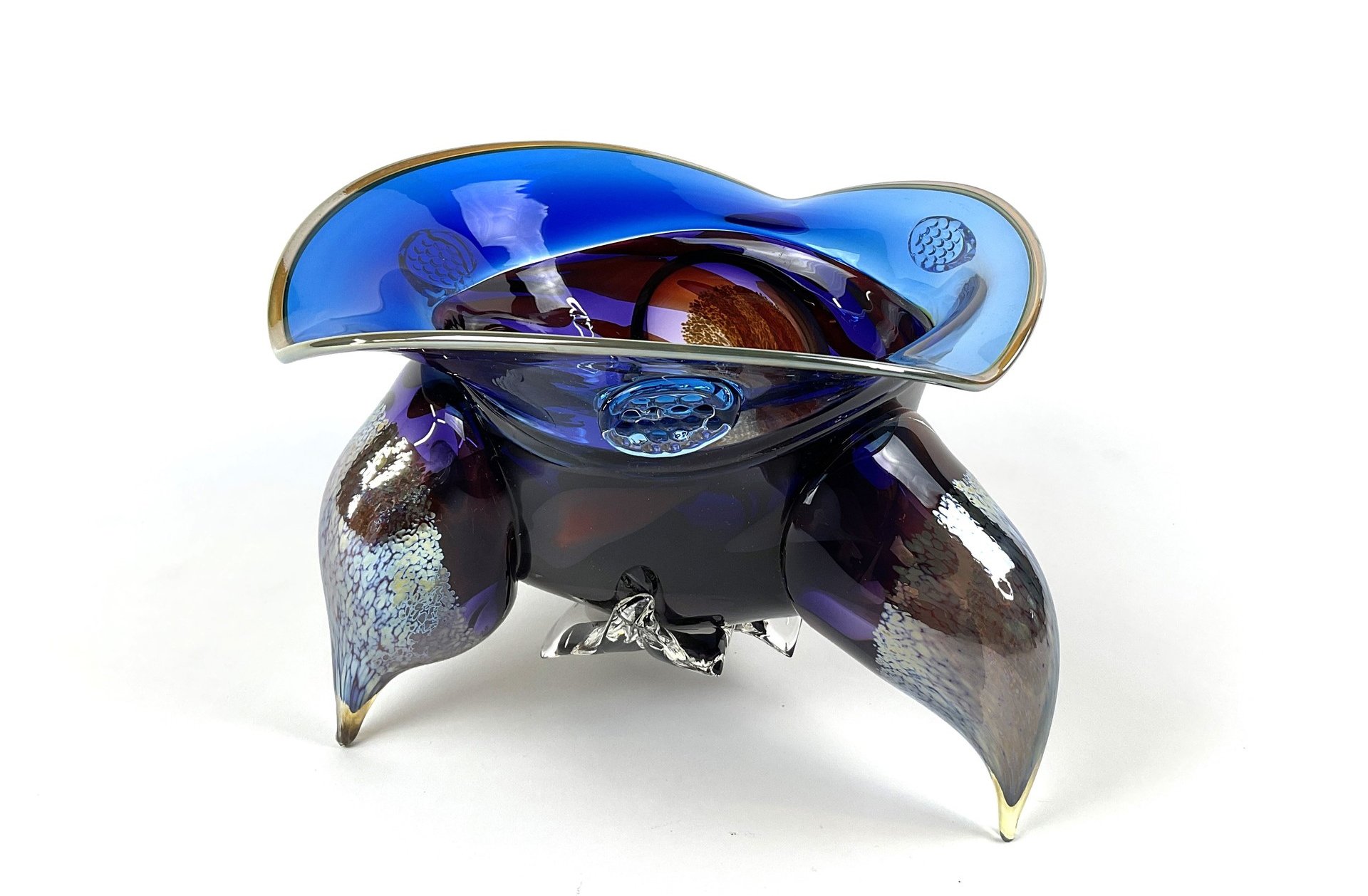
My techniques are based in medieval and renaissance techniques. I enjoy the visceral quality of the “Waldglass” in Central Europe’s Glasshouses from the 5th Century CE. This is where I’m inspired to create the “Pod” series with their blown bit decorations. I want these pieces to feel alive and full of movement.
I also draw from Renaissance era Venetian glass masters’ forms and decorations of millefiori color chips. My "Mille" functional drinkware honor this heritage and are perfect for one’s palace celebrations.
I want to fuse the past with the present to forge a new future in glass.

Steve Nugent

Steve Nugent

Nugent Yard Art

Minnetonka, MN

www.nugentyardart.com

2023 Booth # SN

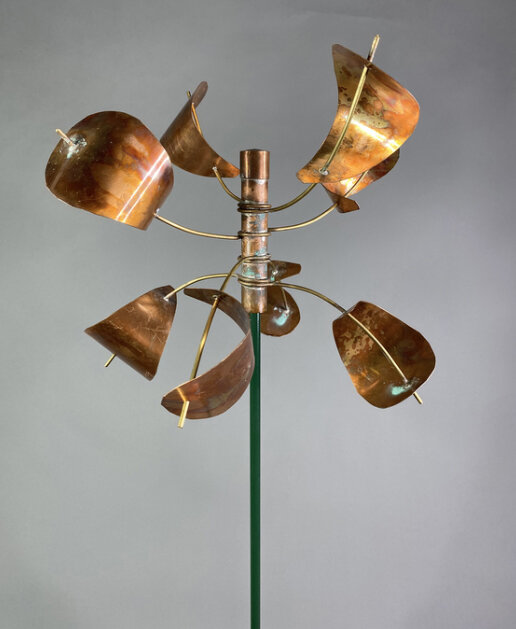
I create copper and brass wind sculptures that move in the slightest breeze. I cut, shape and solder all of my work in my studio. All of my sculptures have bearings in them so they last and move in the breeze for years. They are meant to be outside year round and be able to handle the elements. The hanging sculptures have stainless eye hooks and caps that protect the bearings from the elements and the in ground sculptures are on sturdy steel posts that go into the ground. After fabrication each one gets a heat patina. All sculptures are individually made and signed.


© Steve Nugent

© Steve Nugent

Alice Delaney

Minneapolis, MN

garden-goddess.com

2018 booth #105 

I create sculptures for the home and garden. Each piece starts as an original drawing. Depending on the size I then sculpt the piece in either wax (for small details) or clay (for a larger design) I am then able to make a mold from my sculpture and use that mold to create hand cast concrete replicas of the original. As my last step, I am able to customize a color though different stains so that each finished piece is unique.


©Alice Delaney

©Alice Delaney

Haley Larson

© Haley Larson

© Haley Larson

Andover, MN

2017 booth # 74B

I use a variety of techniques with clay; wheel thrown, altered and hand-built. Most of my shaping is done after the work is thrown. The clay body I use is Bclay. Each work is glazed by layering over 5 different glazes. I brush each layer on; along with the use of everyday objects to help create the sense of texture on the finished piece.